
Blautic Electroencephalography
Advanced system for recording and analyzing brain activity based on electroencephalography (EEG)


From acquisition to analysis using Artificial Intelligence
The system consists of a high-resolution multichannel device, a real-time data visualization and acquisition application, and a machine learning–based analysis platform, designed for the detection and characterization of neuronal and cognitive patterns.

Multichannel EEG device (up to 32 channels)
- Simultaneous recording of electrical activity
The EEG device can simultaneously record brain electrical activity with high fidelity, ensuring an excellent signal-to-noise ratio and precise synchronization across channels. - Flexibility in electrode use
The system can be adapted to different electrode configurations, for laboratory, portable, or semi-portable applications. - Real-time processing
Includes digital filtering, artifact detection, and basic preprocessing, enabling stable and useful visualization of brain signals.

Visualization and acquisition application
- Real-time visualization
The mobile or desktop application allows EEG activity to be viewed in multichannel format, with channel selection tools, automatic scaling, and event annotation. - Data management and recording
Provides features to store complete sessions, label stimuli or cognitive tasks, and export data in standard formats for further analysis. - Interactivity and control
Makes it easy to configure device parameters, manage users, and monitor recording status (signal quality, impedances, etc.).
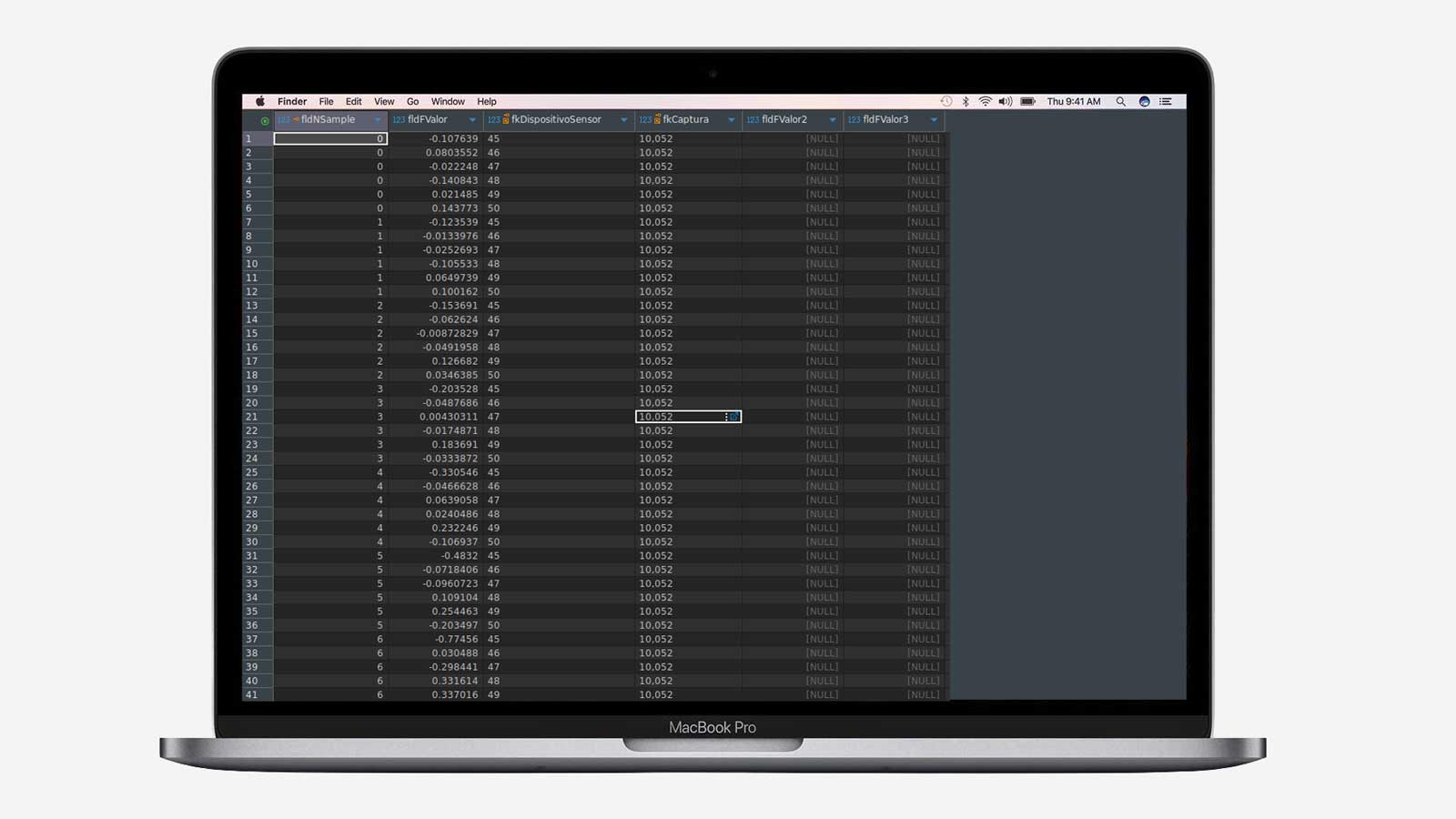
Machine learning–based analysis platform
- Advanced processing of neuronal patterns
Acquired data can be analyzed using machine learning models that enable the identification of cognitive, emotional, or attentional states, as well as the recognition of specific brain-activity patterns. - Offline and real-time analysis
The platform supports both deferred analysis and continuous processing, enabling the development of brain–computer interfaces (BCI), neurofeedback systems, or adaptive cognitive monitoring. - Training and validation tools
Includes pipelines for model training, signal segmentation, feature extraction (frequency bands, connectivity, spectral power, etc.), and cross-validation of results.
Areas of application
- Neuroscience and biomedical research: recording and analysis of brain signals in experimental or clinical settings.
- Mental health and wellbeing: monitoring of stress, sleep, attention, or relaxation.
- Sports neurotechnology: assessment of cognitive load, concentration, or mental fatigue in athletic performance.
- Human–machine interaction (BCI): control of systems through brain activity or biofeedback.
Advantages and differentiating capabilities
- Complete hardware–software integration: from EEG signal acquisition to intelligent data analysis.
- Scalability: adaptable to different channel configurations, recording environments, and device formats.
- Intelligent analysis: incorporation of machine learning and deep learning techniques for detecting complex patterns.
- Multidisciplinary approach: applicable to projects in neuroscience, biomedical engineering, digital health, or cognitive training.
Would you like to find out more?
Contact